Mastering the Classic Lemon Ricotta Cake Texture
Baking for a crowd taught me that heavy, frosted cakes often sit half-eaten on the counter. Consequently, this rustic Italian lemon ricotta cake has become my preferred dessert for family Sunday dinners. The crumb stays remarkably moist because the cheese provides structural moisture without adding heavy fat. Fortunately, you do not need special bakery skills to get this right on your first try.
Why Soft Cheese Needs a Gentle Hand
Many modern recipes tell you to whip everything at high speed to save time. However, overworking the batter develops too much gluten, which alters the texture from tender to rubbery. You should cream your butter and sugar until pale, but change to a gentle spatula when the flour goes into the bowl. This old-school approach guarantees a delicate, tight crumb that holds its shape when sliced.
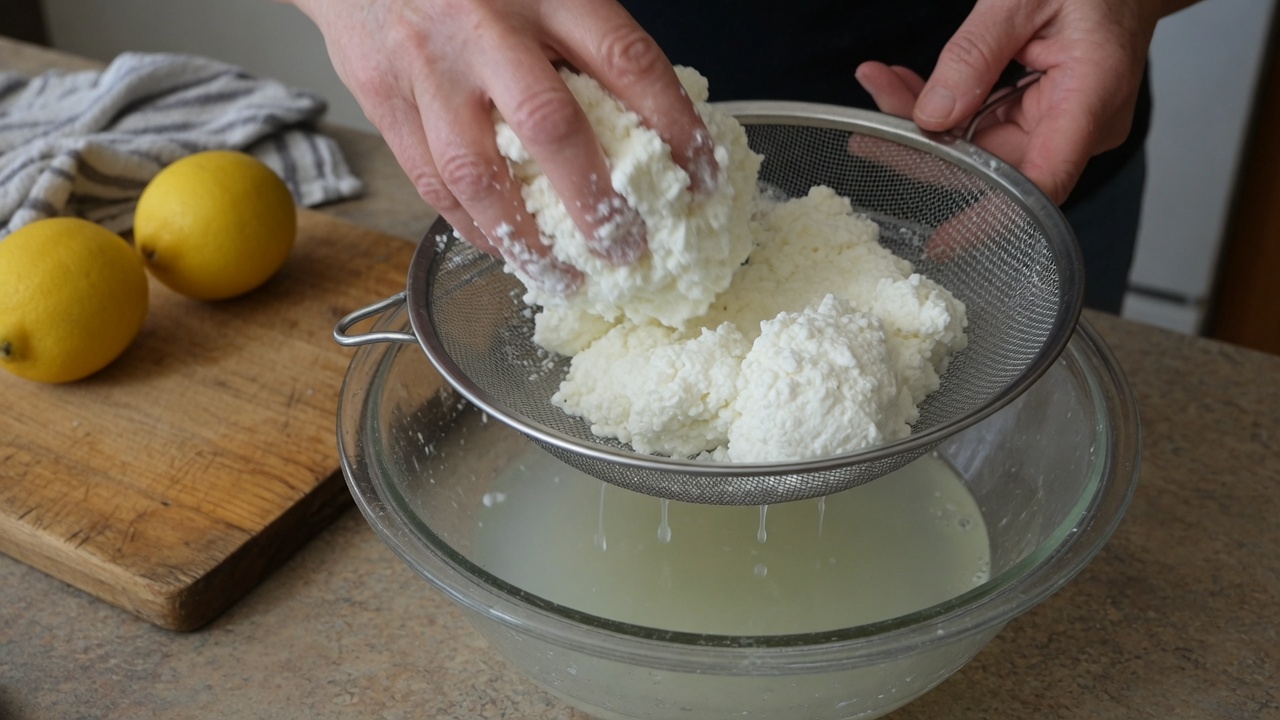
Another common pitfall comes down to the moisture in your cheese container. Supermarket ricotta often carries excess whey that pools at the bottom of the tub. If you skip draining it, that extra liquid sinks during baking and leaves a dense, wet line at the bottom of your pan. Therefore, I always let the cheese sit in a fine-mesh strainer for twenty minutes before mixing.
Getting the Real Lemon Flavor Right
Fresh fruit makes all the difference when you want a clean, bright taste. Bottled juice simply lacks the essential oils found in fresh rinds, resulting in a flat flavor profile. For the finest outcome, scrape only the yellow layer of the skin because the white pith adds an unpleasant bitterness. Grating the fruit directly over your sugar bowl captures those spraying oils beautifully.
Furthermore, remember that baking times fluctuate depending on your specific oven and the thickness of your pan. A heavy springform pan holds heat differently than a thin aluminum cake tin. Start checking the center around the fifty-minute mark, looking for a pale golden top and a few moist crumbs on your tester. Letting the cake cool completely in the pan ensures the internal structure sets properly before you attempt to slide it onto a serving platter.
Simple Storage and Serving Realities
You will find that this dessert tastes even better on the second day. As the cake rests overnight, the citrus oils meld thoroughly with the dairy components, deepening the overall flavor. Keep the leftovers wrapped tightly in the refrigerator to prevent the crumb from absorbing other food odors. When you are ready to serve a slice, let it sit on the counter for ten minutes to take the chill off.
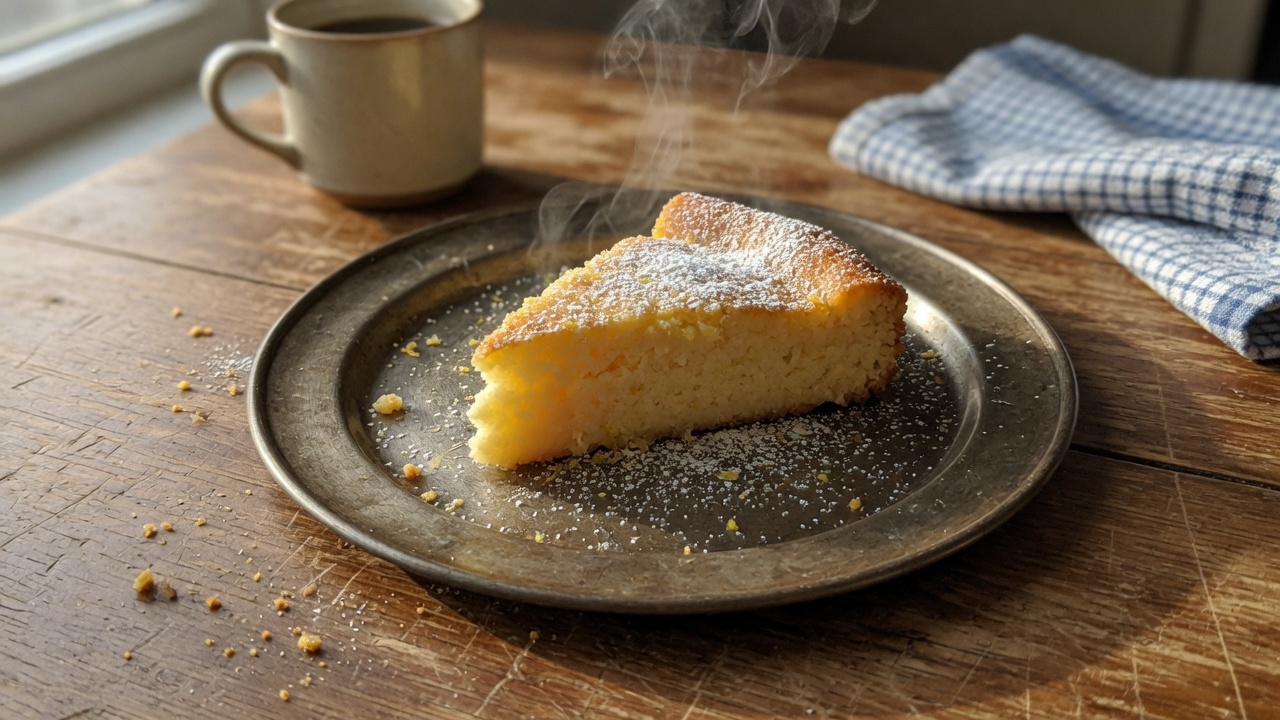
Finally, keep the decoration humble rather than fussy. A light dusting of powdered sugar right before serving provides a clean, classic appearance. If you want to dress it up for guests, a handful of seasonal berries on the side works beautifully without overpowering the delicate citrus notes. Neighbors always appreciate the simplicity of a cake that doesn’t rely on thick layers of sugary frosting.
Rustic Lemon Ricotta Cake
Ingredients
Method
- Preheat your oven to 350°F (175°C). Grease a 9-inch springform pan thoroughly and line the bottom with a round sheet of parchment paper to prevent the tender cake from sticking.
- Spoon the whole milk ricotta into a fine-mesh strainer set over a bowl and let it drain for 20 minutes to draw out excess watery whey before mixing.
- Combine the softened butter and granulated sugar in a large bowl, beating with a mixer on medium speed for 3 to 4 minutes until the mixture turns pale and fluffy.
- Add the drained ricotta cheese directly into the creamed butter and continue beating for another 2 minutes until completely smooth and uniform.
- Incorporate the room-temperature eggs one at a time, running the mixer on medium-low speed after each addition to ensure the batter doesn't separate.
- Pour in the fresh lemon juice, finely grated lemon zest, and vanilla extract, stirring gently until the citrus oils release into the wet base.
- Whisk the all-purpose flour, baking powder, and salt together in a separate medium bowl to distribute the leavening agent evenly.
- Tip the flour mixture into the wet ingredients and use a rubber spatula to fold the dry pockets in just until the flour disappears, being careful not to overmix.
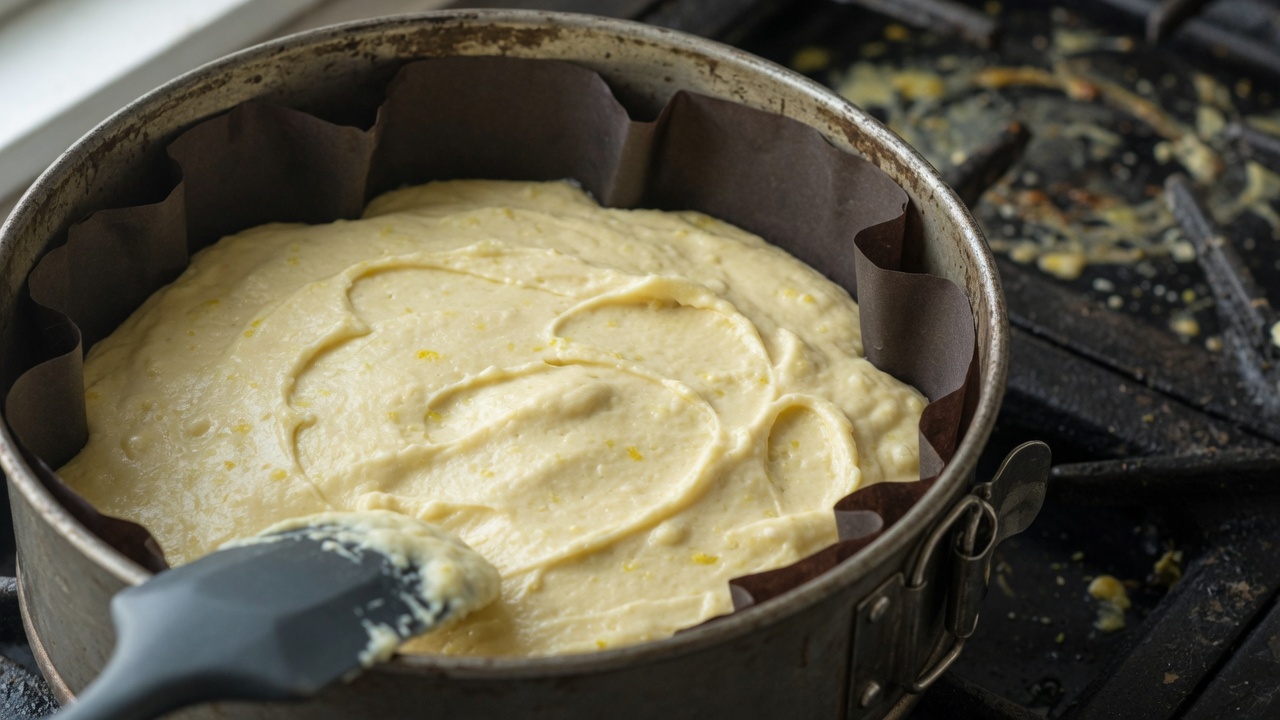
- Spread the thick batter evenly into your prepared springform pan, smoothing the surface into a level layer with the back of your spatula.
- Bake on the center rack for 50 to 60 minutes. The top should be a light golden hue, and a wooden toothpick inserted into the middle should emerge with only a few moist crumbs attached.
- Rest the pan on a wire cooling rack for 20 minutes before releasing the springform sides, then allow the cake to cool fully to room temperature before attempting to slice it.
- Dust the surface lightly with a spoonful of powdered sugar through a small sifter right before serving.
Leave a Reply