
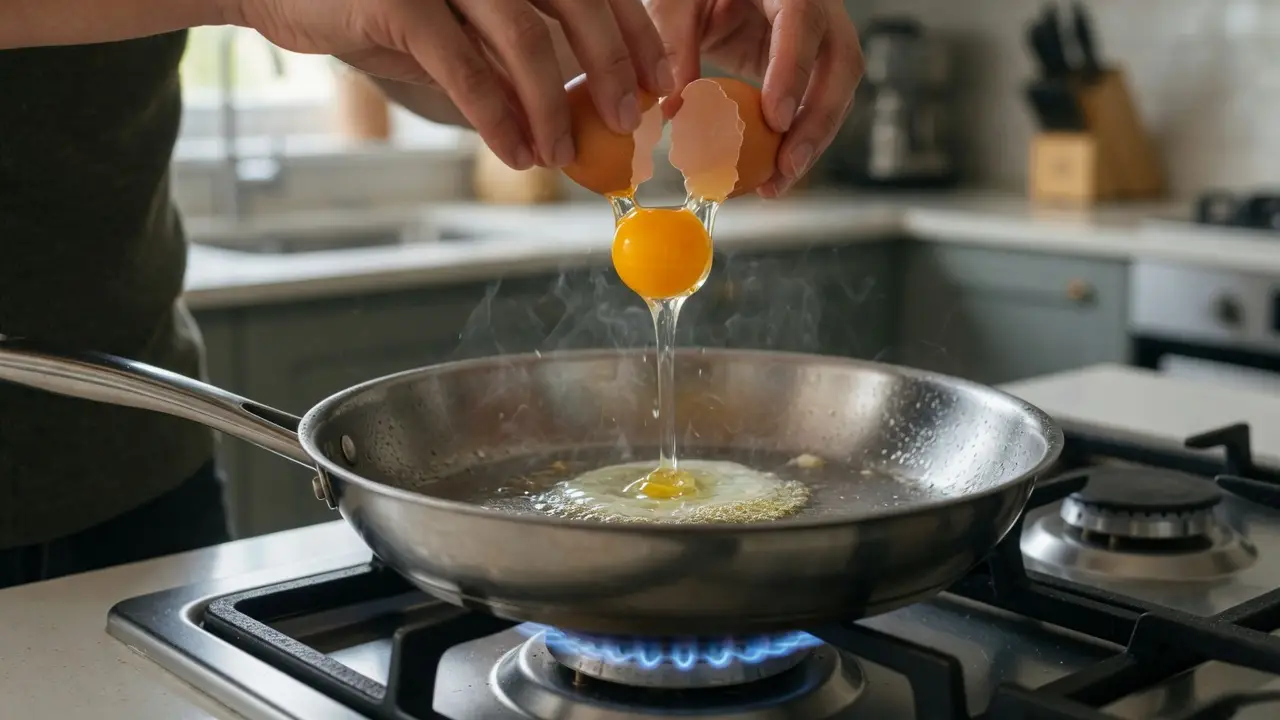
Picture a sunny Sunday morning as you prepare a warm batch of fried eggs. The eggs hit the hot pan, a delicious aroma fills the kitchen, and breakfast is almost ready. But right before cracking them into the skillet, a common question comes up: should you rinse eggshells under the tap first, or does washing them make your food less safe? Let us examine what food safety science says about handling eggs correctly.
Should You Rinse Eggs Before Cooking? What Science Says
If you regularly wash or rinse your eggs before cooking, food safety experts have clear advice: strongly avoid washing eggs before cooking. Rinsing eggshells under running water does not make them cleaner. In fact, doing so can actually make your food less safe to eat.
To understand why, look at how chickens naturally produce eggs. Nature coats every freshly laid egg with a thin, natural protective shield called the cuticle (often referred to as the “bloom”). This invisible coating seals thousands of microscopic pores on the eggshell. It locks moisture inside and blocks harmful bacteria, such as Salmonella, from penetrating the shell.
Running cold tap water over an egg creates three distinct food safety hazards:
- It strips natural protection: Water easily washes away the delicate cuticle layer, leaving the porous shell completely defenseless.
- It pulls bacteria inside: Because eggshells contain tiny pores, cool tap water creates a slight vacuum effect. This pressure differential pulls surface dirt and bacteria directly through the shell into the edible egg white inside.
- It spreads surface bacteria: Water hitting an eggshell under a faucet creates tiny airborne droplets that can spray microscopic bacteria across your clean countertops, sink, and nearby kitchen utensils.
Store-Bought Eggs vs. Backyard Chicken Eggs
Egg handling guidelines vary slightly depending on where you source your food and how regional agricultural standards handle produce:
Commercial Eggs (United States): In the U.S., commercial egg processors wash and sanitize eggs before delivering them to grocery stores. Because this industrial cleaning process removes the natural bloom, producers coat the eggs with a light, food-grade mineral oil to preserve freshness. Rinsing these eggs again at home offers zero benefit and ruins that protective oil seal.

Commercial Eggs (Europe): In many European countries, commercial eggs remain completely unwashed by law. Regulations mandate keeping the natural cuticle intact so eggs can safely sit on unrefrigerated supermarket shelves without spoiling. Washing these eggs at home strips away their built-in defense mechanism.
Fresh Farm or Backyard Eggs: If you gather fresh eggs straight from a backyard coop, dirt, soil, or feathers might stick to the shells. Instead of placing them under a running faucet, dry-clean them. Simply wipe away debris using a dry paper towel, stiff brush, or clean cloth right before cracking them open.
Essential Rules for Safe Egg Handling
Follow these expert-approved guidelines to maintain proper kitchen hygiene and keep your meals safe:
- Store them at consistent temperatures: Keep eggs on a middle shelf inside the main body of the refrigerator where temperatures remain steady. Avoid storing eggs in the fridge door, where frequent opening causes temperature swings.
- Skip the tap water: Leave the faucet turned off and let the shell’s natural or oil-sealed barrier protect the egg contents.
- Wipe instead of washing: If a shell looks dirty, gently wipe it with a dry paper towel immediately before cracking.
- Cook thoroughly: Cooking eggs until both the white and yolk are firm effectively kills off any remaining bacteria.
- Wash your hands: Always scrub your hands with warm water and soap after handling raw eggshells to prevent cross-contamination to other foods or kitchen surfaces.

The Final Takeaway
When it comes to egg preparation, the scientific verdict is absolute: do not rinse or wash your eggs before cooking. Let the eggshell’s natural structure handle protection, keep your kitchen dry, and enjoy a safe, hassle-free meal!
Leave a Reply