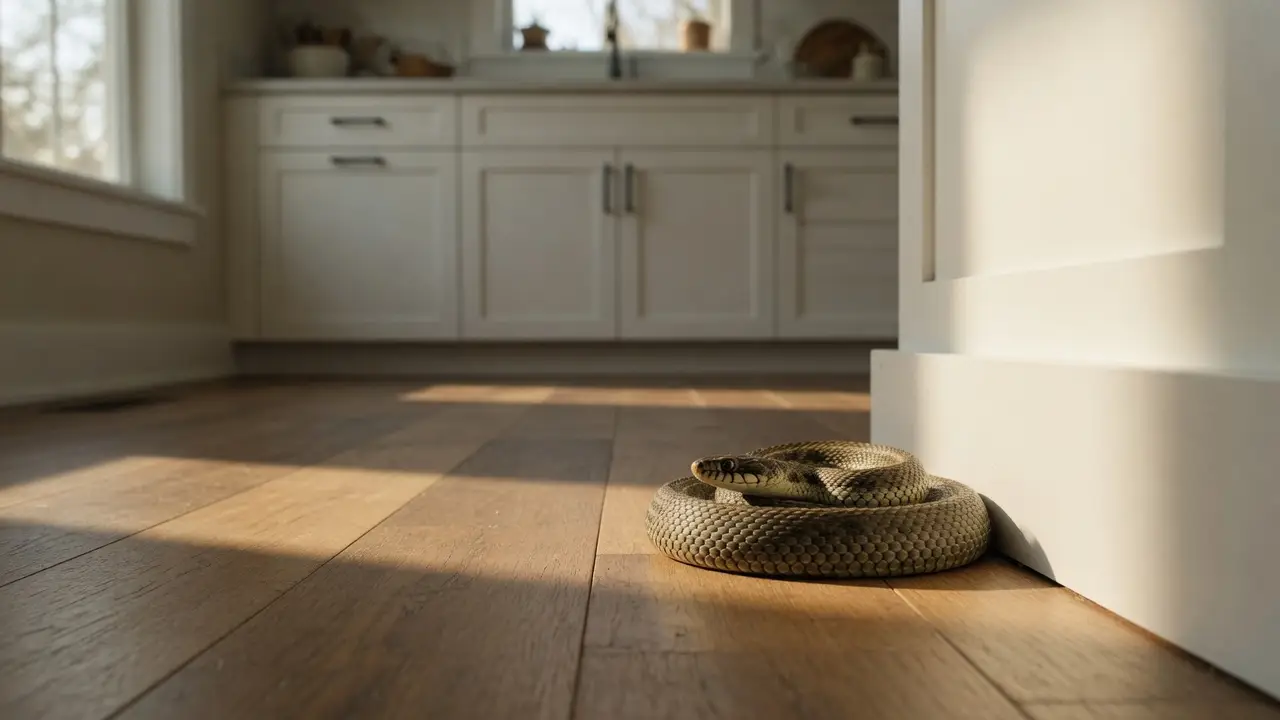
Imagine this: You walk into your kitchen or head down to the basement to grab a basket of laundry. Suddenly, you freeze. There, coiled quietly next to the baseboard, is a snake. Your heart immediately jumps into your throat, your pulse races, and a wave of pure panic hits you. It is a moment that can stop anyone dead in their tracks.
Finding a snake inside your house is undeniably terrifying. In that split second, a million questions flash through your mind: Is it venomous? How did it even get in here? Is it going to attack me?
Fortunately, there is no need to panic. While it feels like a scene straight out of a horror movie, snakes do not enter human homes to launch an attack. In fact, they want to avoid you just as much as you want to avoid them. They are simply looking for a few basic necessities. By understanding why these slithering visitors wander indoors and learning how to react correctly, you can easily transform a scary situation into a calm, manageable encounter. Here is your ultimate guide to handling a snake inside your house safely and effectively.
Why Do Snakes Come Inside Houses?
To solve the mystery of how to get rid of them, we first need to understand what attracts them. Snakes are ectothermic, which is just a fancy scientific way of saying they are cold-blooded. Because they cannot regulate their own body temperature, they are constantly at the mercy of the elements. Therefore, they are always searching for three simple things: food, comfortable shelter, and protection from extreme weather.
Unfortunately, our houses can accidentally provide the ultimate five-star resort experience for a weary reptile. Here are the most common reasons a snake might invite itself into your living space:
- An Abundant Food Supply: If your home has an underlying issue with rodents, mice, or large insects, snakes will naturally follow the scent of their favorite snacks.
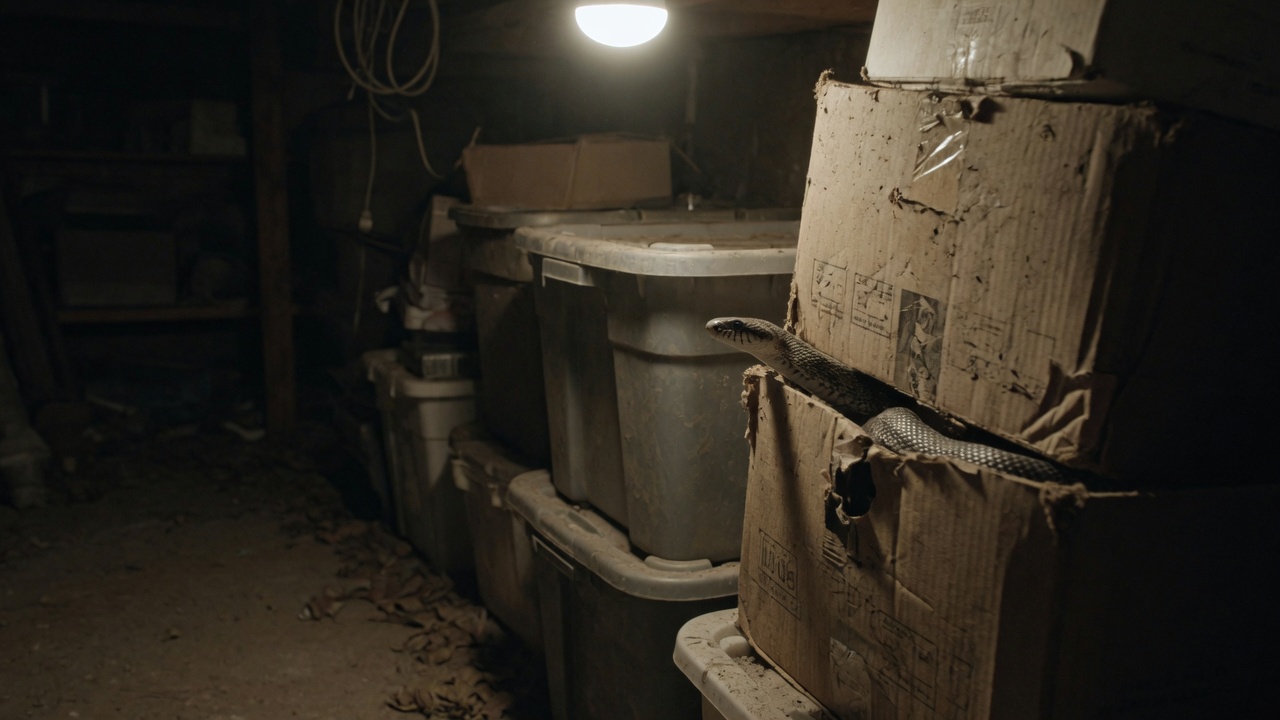
- Cozy Hiding Spots: Cluttered storage rooms, quiet basements, and dark crawl spaces offer the perfect, undisturbed safety that snakes crave.
- Extreme Weather Changes: During periods of heavy, torrential rain or intense summer floods, snakes are often forced out of their underground burrows. They wander indoors simply looking for dry ground and a stable climate.
Stay Calm: The Golden Rule of Snake Encounters
When you spot a snake inside your house, your evolutionary instincts might tell you to scream, run, or grab the nearest heavy broom to strike it. However, panicking is the worst thing you can possibly do. The vast majority of snake bites happen when untrained people attempt to catch, corner, or kill the animal themselves.
Even a completely non-venomous snake will defend itself fiercely if it feels trapped and threatened. Instead of reacting out of fear, experts highly recommend taking a deep breath and following these four simple steps:
- Freeze and Back Away: Avoid making any sudden, jerky movements. Slowly back away from the snake to give it plenty of space.
- Keep a Safe Distance: Maintain a distance of at least six feet. A snake cannot strike further than its own body length, so staying back keeps you entirely out of harm’s way.
- Isolate the Animal: If the snake is in a specific room, slowly back out and close the door. Block the gap under the door with a rolled-up towel to keep the snake contained in one spot.
- Protect Pets and Kids: Make sure children and curious pets are moved to a completely different part of the house immediately.
Call the Professionals (Leave the Heroics Behind)
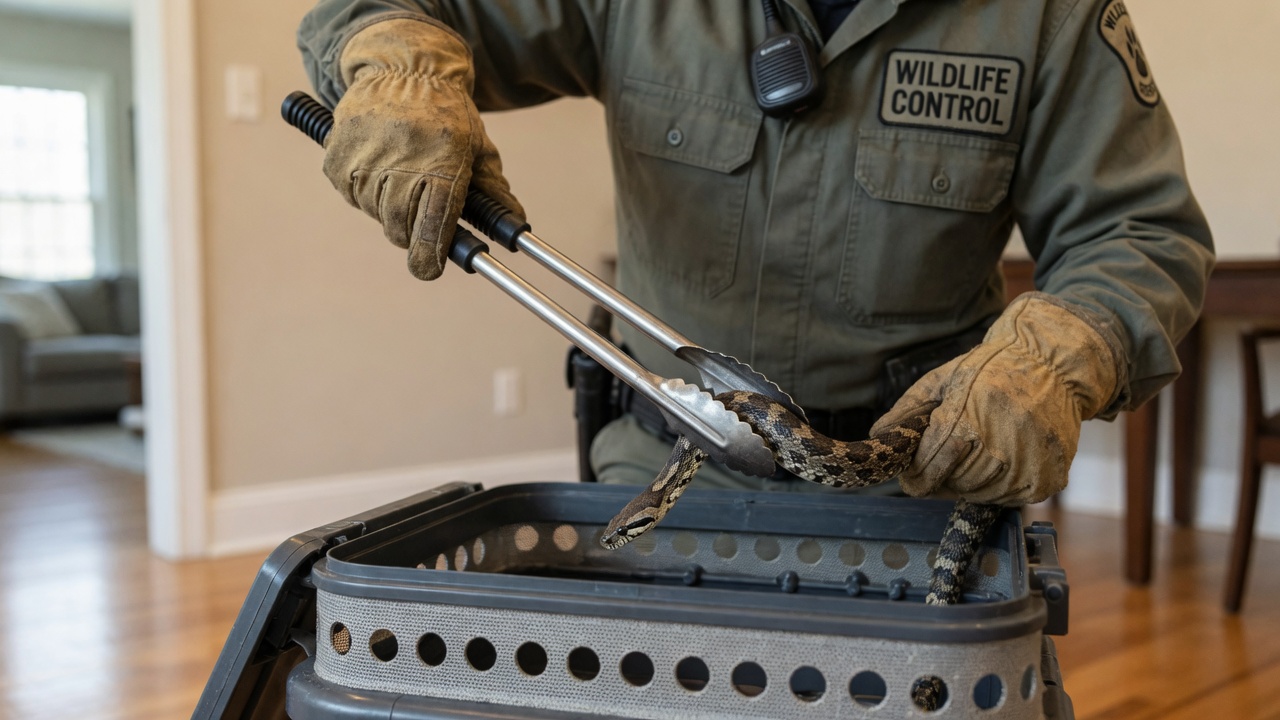
Unless you are a trained herpetologist who can identify reptile species with 100% certainty, do not try to be a hero. The absolute safest option for both you and the snake is to call in the professionals. Reach out to your local animal control or a professional wildlife removal rescue service right away.
These experts possess the specialized tools, heavy-duty gloves, and proper training required to safely relocate the snake without causing it any harm. Trying to handle, trap, or harm the snake yourself introduces unnecessary risks to your household. Let the pros handle the heavy lifting while you keep a safe distance.
How to Prevent Snakes From Creeping Back Inside
As the old saying goes, an ounce of prevention is worth a pound of cure. It is much easier to keep a snake out of your home than it is to deal with one inside your living room. By making a few minor adjustments to your property, you can drastically reduce the chances of ever seeing a scaly intruder again.
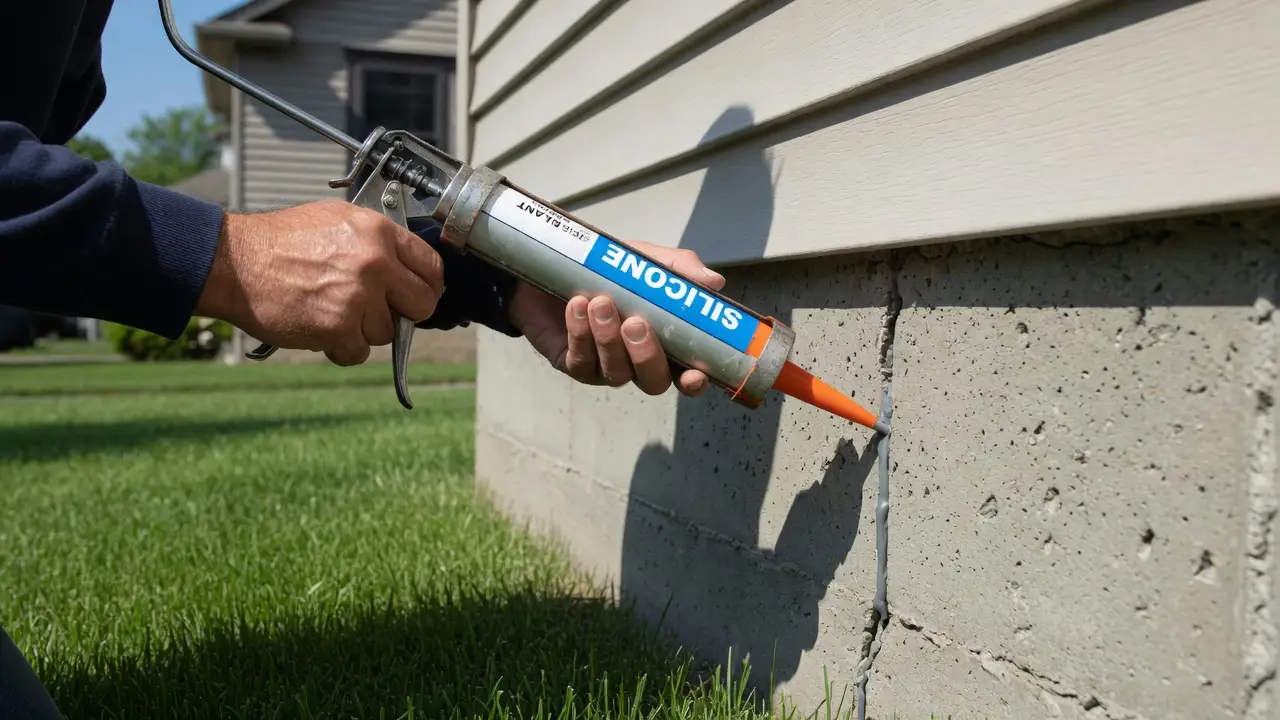
First, thoroughly inspect the exterior of your home. Seal up any visible gaps under your doors and repair structural cracks in your foundation walls. Installing heavy-duty door sweeps and checking your window screens for tears are fantastic, budget-friendly ways to block entry points.
Second, take a look at your yard. Keep your grass neatly trimmed and clear away large piles of dead leaves, overgrown brush, or stacked firewood near the house. These outdoor piles act as perfect stepping stones for snakes looking for shelter. Finally, stay on top of pest control. By eliminating mice and bugs, you effectively remove the snake’s primary dinner menu, forcing them to look elsewhere for food.
What Does a Snake in the House Symbolize?
Beyond the immediate biological reasons, finding a snake inside your home carries deep spiritual meaning in many cultures around the world. Because snakes regularly shed their skin, many traditions view them as powerful symbols of personal transformation, healing, and spiritual renewal.
In some ancient folklore, a snake entering a home is actually seen as a sign of protection or a vital warning that major, positive life changes are right around the corner. While these historical cultural perspectives are incredibly fascinating to ponder, remember that real-world safety always comes first. Whether the snake represents a spiritual awakening or just a displaced animal looking for shelter, your immediate priority should always be safe, professional removal.
Final Thoughts: Living in Harmony with Nature
Discovering an unexpected reptile roommate can certainly shake up your week, but it does not have to turn into a full-blown household crisis. Most snakes that wander indoors are completely harmless species, like garter snakes or rat snakes, that simply took a wrong turn while searching for a meal.
By keeping a cool head, isolating the room, and letting local wildlife experts do their job, you protect your family while showing respect for nature. With a few proactive home maintenance habits, you can keep your living space entirely snake-free while still living in perfect harmony with the beautiful wildlife right outside your door. The next time you encounter something unexpected, just take a deep breath—the solution is always safer and simpler than it looks!
Leave a Reply