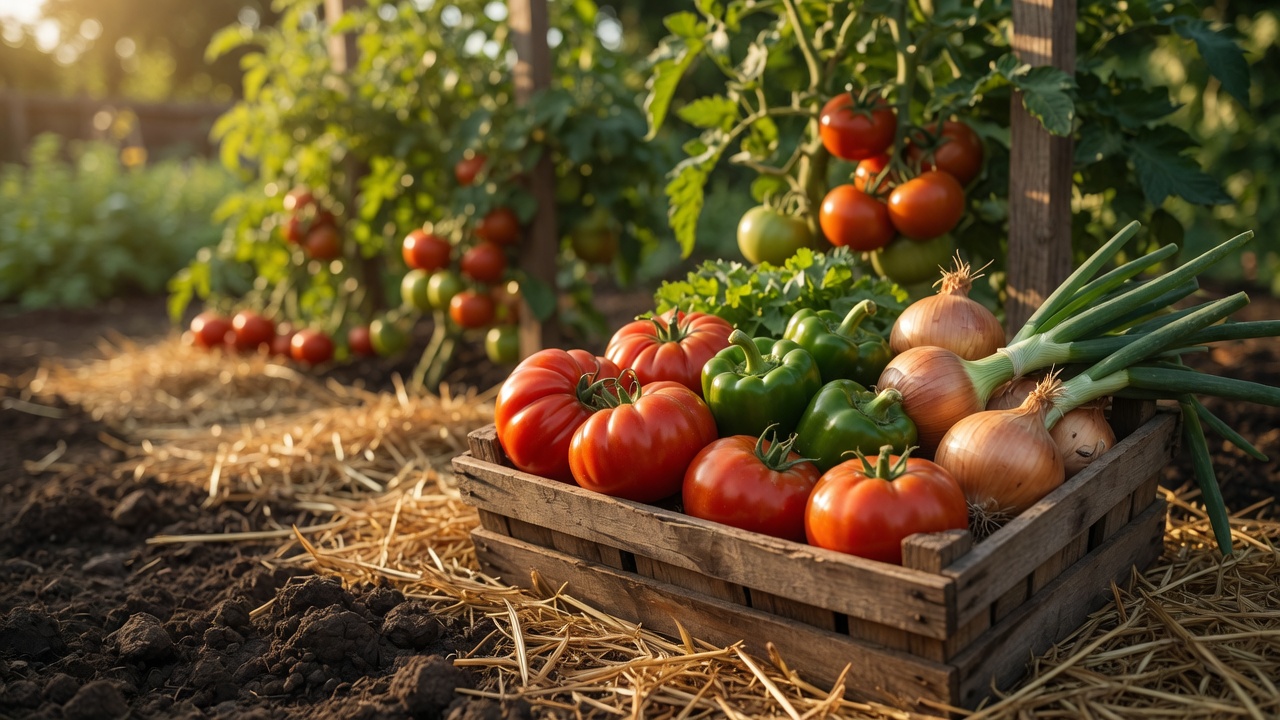
Let’s be completely honest: there is nothing more heartbreaking than spending months watering your garden, only to harvest onions that are smaller than ping-pong balls. As a beginner gardener, I went through that exact struggle. I started my journey with a steep learning curve, buying bags of high-end synthetic formulas and premium organic mixes. I desperately tried to persuade my tomato and pepper plants to produce something more than leafy, green disappointment. Unfortunately, most commercial fertilizers overpromised and underdelivered.
I wanted big, juicy tomatoes that burst with flavor. I wanted thick-walled bell peppers that weren’t just hollow shells filled with pith. After a lot of trial, error, and genuine garden heartbreak, I finally discovered a natural solution that changed everything: composted chicken manure. While it sounds incredibly rustic and perhaps a bit unappealing, this organic powerhouse is absolute gold for your garden beds.
Why Composted Chicken Manure Beats Synthetic Fertilizers
What exactly makes composted chicken manure so special compared to the standard fertilizers lining garden center shelves? To understand its magic, we have to start with the fundamental basics of plant nutrition. Plants require three primary macronutrients to survive and thrive: Nitrogen (N), Phosphorus (P), and Potassium (K). You can think of these as the fundamental rockstars of the vegetable world.
- Nitrogen (N): This element fuels rapid, healthy leaf and stem growth.
- Phosphorus (P): This nutrient enhances deep rooting, strong flowering, and heavy fruit production.
- Potassium (K): This component keeps the entire plant vigorous, disease-resistant, and packed with flavor.
Fortunately, composted chicken manure naturally boasts high concentrations of all three macronutrients. However, its benefits go far beyond standard NPK ratios. Unlike synthetic fertilizers that deliver a sudden, aggressive chemical jolt to your plants before quickly washing away, chicken manure provides a slow, sustained release of nutrients. It is the agricultural equivalent of a balanced, home-cooked meal versus a temporary sugar high.
Because the nutrients break down gradually, your tomatoes, peppers, and onions receive exactly what they need right when they need it. This slow-release property completely eliminates the dangerous risk of burning delicate plant roots or accidentally overfeeding your crops. Additionally, this organic matter significantly improves your soil structure and encourages robust microbiodiversity. As a result, your garden soil retains moisture better and absorbs nutrients more effectively over the long term.
If that wasn’t enough, chicken manure is also fully loaded with essential secondary nutrients, including calcium, magnesium, and sulfur. It even contains crucial micronutrients like zinc, copper, and iron. Utilizing it is truly like giving your soil a premium daily multivitamin. Best of all, the professional composting process completely neutralizes harmful pathogens and harsh odors. When it finishes curing, it is clean, rich, and surprisingly odor-free.
How to Use Chicken Manure in Your Garden for Best Yields
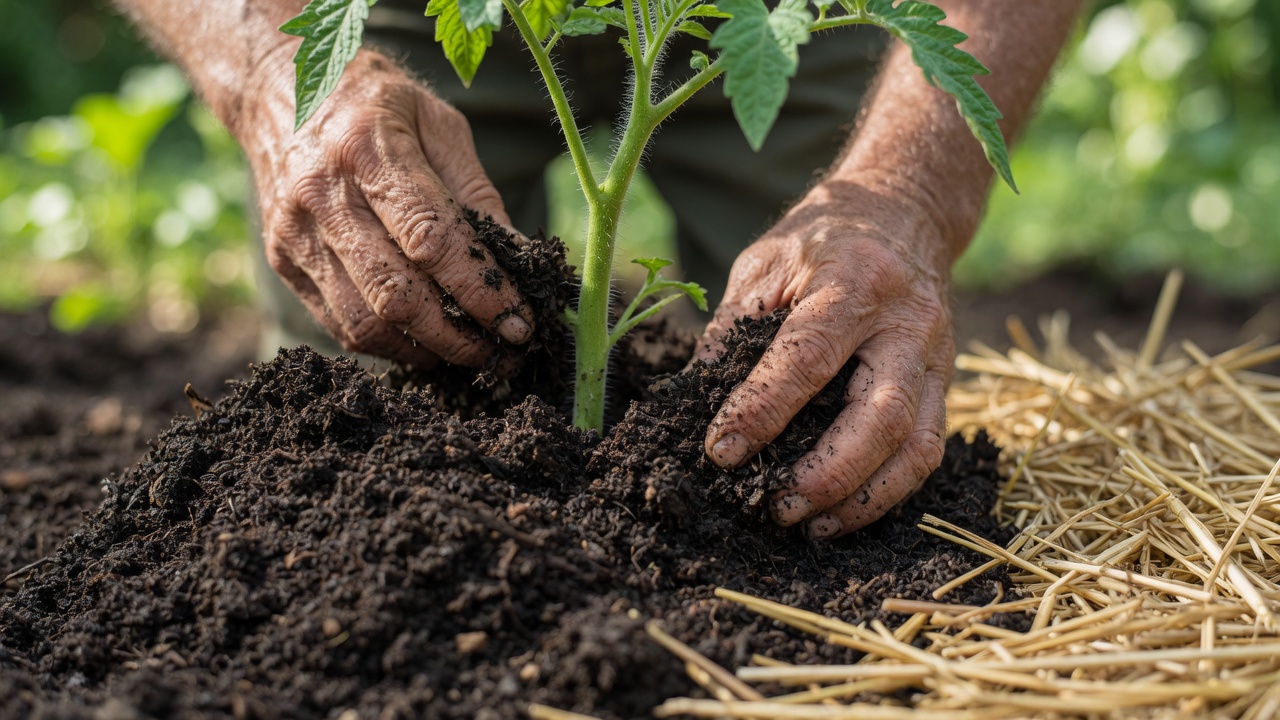
Now that we have established why this amendment is so powerful, let’s focus on the proper application methods. Using composted chicken manure is incredibly straightforward, but applying a few professional tips will make an enormous difference in your final harvest. First and foremost, timing is everything. For the best results, you should apply the manure either in the late fall so it can seep into the earth over winter, or in the early spring well before planting.
If you have already planted your summer vegetables, do not fret. You can easily use this fertilizer as a highly effective top-dressing or side-dressing throughout the active growing season. The application rules vary slightly depending on your specific setup:
For New Garden Beds
When you are preparing a brand-new garden plot or building raised beds, thoroughly blend 20 to 25 percent composted chicken manure into your existing topsoil several weeks before planting your seeds or transplants. This waiting period allows the nutrient profile to fully integrate and mellow out, creating a perfectly welcoming environment for tender young roots.
For Established Plants
If your crops are already growing strong, gently scatter a thin layer—approximately half an inch deep—of the composted manure around the base of each individual plant. Be very careful to keep the fertilizer from directly touching the main plant stems, as direct contact can sometimes encourage unwanted rot. Once the manure is distributed, water the area deeply to help the nutrients migrate down to the root zone.
You can safely repeat this side-dressing process every 4 to 6 weeks during the peak growing season. Just remember to avoid overdoing it, because more is not always better in organic gardening. Excessively high nitrogen levels can cause your plants to put all their energy into growing massive green leaves while failing to produce any actual fruit.
For Container Gardens
Composted chicken manure works wonderfully for balcony and patio gardens as well. Simply fold a very small handful into your potting soil during the initial planting phase, and sprinkle a tiny pinch across the surface once a month. Your potted patio tomatoes and balcony peppers will reward you handsomely.
5 Pro Tips to Boost Your Crop Yield by 200%
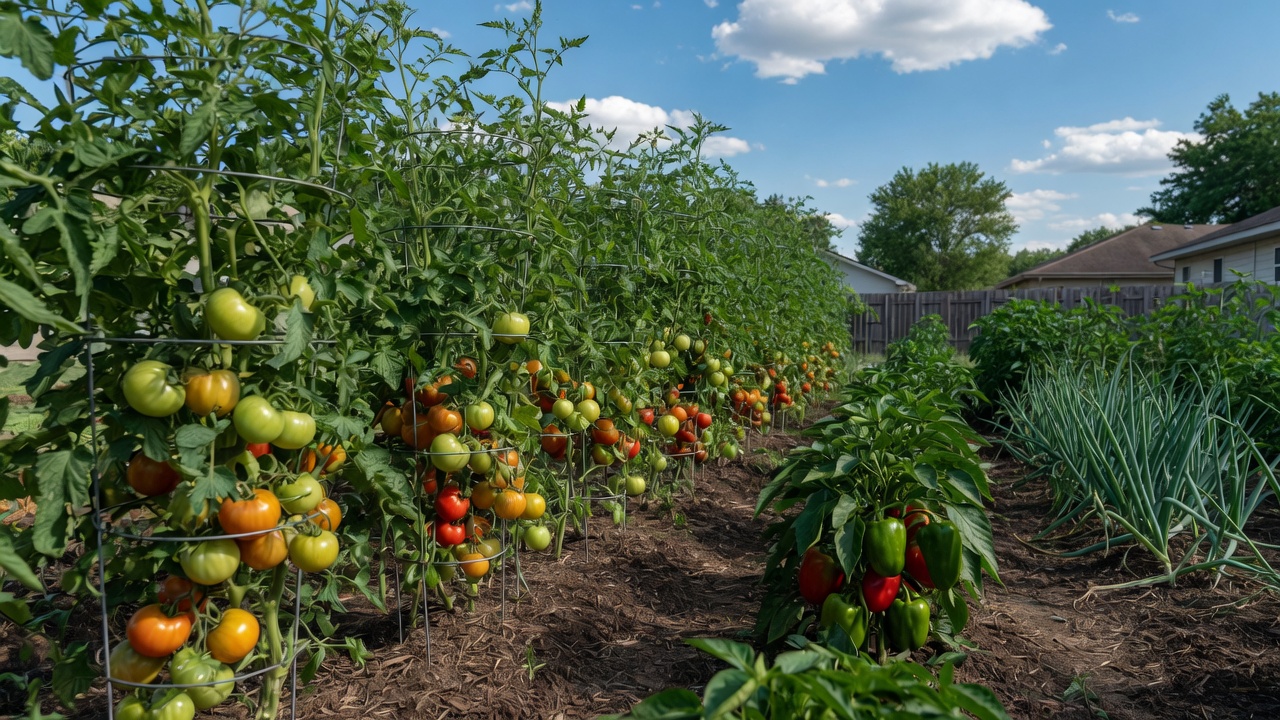
If you want to transform a mediocre backyard harvest into an absolute bumper crop, combining your chicken manure fertilizer with smart cultural practices will maximize your results. Here are five simple steps to double your garden output:
1. Prioritize Soil Structure: Healthy, loose, aerated soil allows plant roots to dig deep and establish a strong foundation. Regularly add organic compost and gently fluff your garden beds to prevent compaction.
2. Water Deeply and Consistently: Erratic, uneven watering is the main cause of blossom end rot in tomatoes and uneven bulb development in onions. Always water early in the morning, focusing your hose directly at the base of the plant rather than wetting the leaves.
3. Layer on the Mulch: Pair your fertilized soil with a thick layer of clean straw or shredded leaves. Mulch acts as the ultimate supportive partner to your fertilizer by retaining critical moisture, suppressing weeds, and protecting the beneficial soil microbes thriving on the chicken manure.
4. Provide Sturdy Support: Using high-quality cages or sturdy wooden stakes keeps heavy tomato branches off the damp ground. This practice dramatically improves air circulation around the foliage, which serves as your primary defense against fungal blight.
5. Master the Art of Pruning: Regularly pinch off the lower leaves and non-fruiting suckers on indeterminate tomato varieties. This directs the plant’s maximum energy away from excess foliage and straight into fruit production. While peppers and onions require very little pruning, keeping their beds completely weed-free eliminates fierce competition for nutrients.
Enjoy the Sweet Taste of Harvest Success
If you are tired of dealing with dwindling harvests, it is time to upgrade your routine. Composted chicken manure is a no-nonsense, highly effective organic solution. It naturally provides far more targeted nutrition than generic compost or chemical alternatives ever could, making it perfect for heavy-feeding nightshades and root crops.
Ever since I integrated this humble powerhouse into my routine, my personal garden yields have easily doubled. My backyard tomatoes are consistently heavy and sweet, my peppers are beautifully glossy, and my onions are impressively hefty. There is nothing quite as satisfying as harvesting beautiful food that you are proud to share with your neighbors, knowing your soil is thriving beneath the surface.
Leave a Reply